
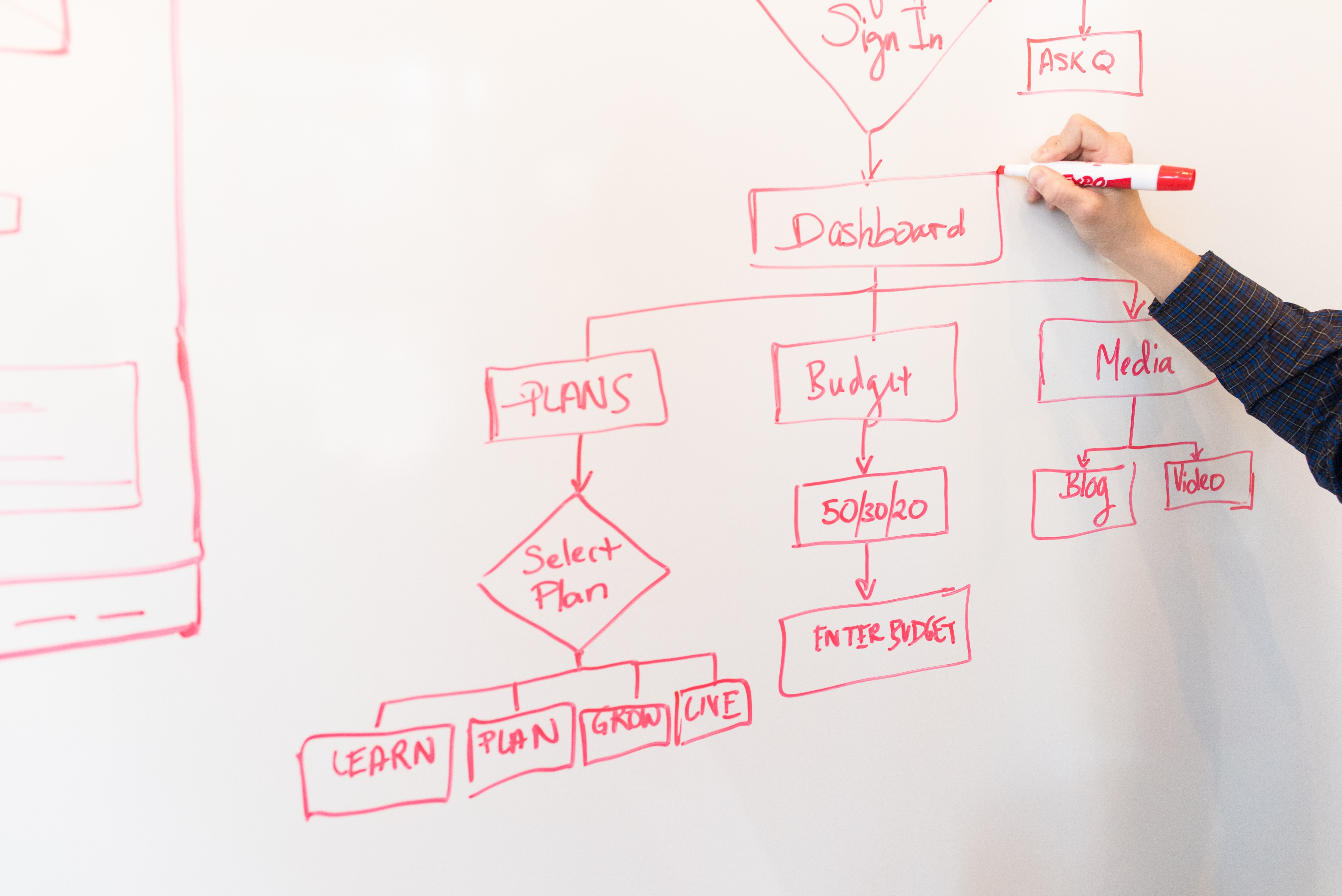
It is important to run and rely on the processes, but processes should not own us. Focus on desired end result and not only on processes.
If Doctor informs you that operation on your close relative is successful but patient died. Will you believe him? You will think what a paradox he is talking about? Has he gone mad? But, in corporate world and in our personal life, at times, this happens but we have not paid attention to it. We all follow the process laid down or we call it Standard Operating Process (SOPs), but we do not achieve the anticipated end goal. Have you thought why it happens?
Being in corporate world for 27 years and starting my career with Indian conglomerate and last stint with an Alternative Investment Fund, I had learnt setting up and following the process laid down to achieve the desired outcome with standardized template so as to avoid individual miss out on compliance, accuracy, control mechanism, completion of work under agreed and desired budget and timelines etc. We name it as Standard Operating Procedure (SOP) or Operating Manual. We also do the review through internal audit or surprise audit to ensure whether SOPs are followed or not.
However, before going further into it, I would like to draw your attention to what Jeff Bezos wrote to Shareholders of Amazon in his 2016 annual letter.
Extract From 2016 Letter to Shareholders by Jeff Bezos:
Resist Proxies
“As companies get larger and more complex, there’s a tendency to manage to proxies. This comes in many shapes and sizes, and it’s dangerous, subtle, and very Day 2. (to understand his Day 1 and Day 2 concept please read the full letter)
A common example is process as proxy. Good process serves you so you can serve customers. But if you’re not watchful, the process can become the thing. This can happen very easily in large organizations. The process becomes the proxy for the result you want. You stop looking at outcomes and just make sure you’re doing the process right. Gulp. It’s not that rare to hear a junior leader defend a bad outcome with something like, “Well, we followed the process.” A more experienced leader will use it as an opportunity to investigate and improve the process. The process is not the thing. It’s always worth asking, do we own the process or does the process own us? In Day 2 company, you might find it’s the second.”
As companies get larger and spread across geographical locations, there is a tendency to manage through processes. For each department and functions within department, you write down processes to be followed. Good process serves you so you can serve customers. But if you’re not watchful, the process can become the thing. This can happen very easily in large organizations. The process becomes the proxy for the result you want. Sometimes companies stop looking at outcomes and only consider and pay attention to whether they have followed the process correctly. This is dangerous.
Classic example is to award the work to a contractor who has given their lowest quote in tender (L1 contractor). However, one has to see lot of things, beyond commercial, before awarding the contract. Such as, whether the said contractor has executed such a complex and large project? Whether they have in the past executed the project within agreed budgeted amount and timelines? Whether the said contractor has financial liquidity and strength to pump in the required working capital? Whether the contractor has capabilities to have liaison with local authorities? Whether contractor is heavily dependent on only single contract? Whether the promoters or owner of the contractor company have clean track record on compliance and with banks repayments of loan & interest? There are so many things one need to keep in mind and evaluate before taking decision to award any large contract.
Also, any process you run need to have mechanism for exceptions. So many companies have process of taking three quotes before awarding any contract or services. One need to be sensible and careful in drawing the line over the financial threshold for taking three quotes. Eg. Whether organization should take three quotes for even awarding contract of Rs.1,00,000 when the size of the project runs in to more than Rs.1000 Mn.?
Another example is in real estate and infrastructure companies, there is a SOP of giving advance against Advance Bank Guarantee (ABG). Now, whether it is commercially viable for the contractors to issue ABG for small amounts say Rs. 1,00,000? Secondly what if the contractor or the supplier has a monopoly and does not agree on agreeing to our SOPs of ABG against advance to be given? One can’t be penny wise pound fooling and has to take holistic view of marrying the business requirements and SOPs without losing the control. One can’t rely only on processes to achieve end results without keeping the open eye and open mind to revisit the processes which creates too much bureaucracy and have willingness to change or modify based on the current business environment or organizational circumstances without losing the control. It is sound practice to always document exceptions and modifications in the processes.
This is a huge learning for me (that processes will have exceptions and need to have financial threshold limits, processing may requires updating based on current business environment etc.) who believed in setting up and following the process to the last word. One need to have emphasis on following the process but should have willingness to revisit and modify the same based on the business requirement or current business environment without losing the desired control for which we had set these processes. In following the process, if end goal / outcome is left out and we blindly follow the process, at times it either kills the business or delay the completion of project or increase the cost etc. I call, blindly following the process without keeping the end result in mind, as “Operation successful, patient died”.
What do you think?
Truely said…only following the sop n doing audit whether its properly followed is not the way to take business decisions there is lot more in it n it should be looked from a broader prespective….good to keep hearing ur great experiences…
Yes Geetia. I have made those errors in my life and learnt from it to share it with all and also get perspective from others.
Fabulously written . These posts are life long ref notes for us. Real life examples and the dilemma associated with sop while awarding big contracts ‘ can relate so much with this subject.. Privileged we are to have such rich experiences shared .
I have also rectified my thoughts & views along the way. It was a learning for me as well.
Best wishes Nimesh
Thanks Sanjay.
You have articulated so beautifully it will definitely help me in my career while I come across such situations. Thank you for always guiding us 🙂
Thanks Sabina. Idea is to share my learnings & experience and also get your thoughts & views.
Absolutely correct. Ultimately process is also driven by humans only. And humans are bound to make mistakes.